Introduction
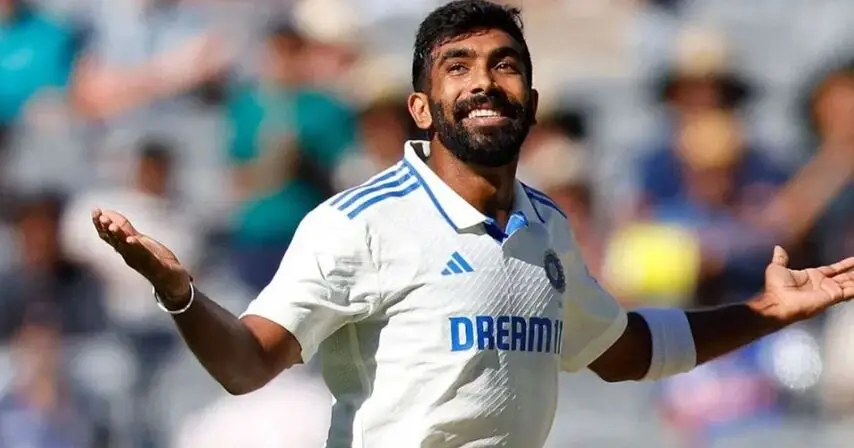
Jasprit Bumrah has long been India’s go-to strike bowler across all formats. Known for his precision under pressure and quiet intensity, Bumrah’s decision to decline India’s Test captaincy ahead of the England series marks a significant moment—not just for him personally, but for Indian cricket’s long-term strategic planning.
While many fans had expected Bumrah to take on the leadership mantle following the transition from Rohit Sharma and Virat Kohli, his decision underscores a growing emphasis on workload management and career longevity—especially for elite fast bowlers in modern cricket.
- The Decision: Why Bumrah Said “No”
Bumrah’s call to step back from captaincy wasn’t made lightly. According to BCCI sources, he was approached as a front-runner to lead the side in the upcoming five-Test tour of England. However, he respectfully declined, citing two primary reasons:- Workload and Fitness: Bumrah underwent a spinal procedure in May 2025 to address lingering back issues. While he has returned to bowling in full rhythm, he remains cautious about overextending himself.
- Focus on Bowling: Bumrah believes his best contribution to the team comes with the ball in hand—not burdened by leadership demands during long Test matches.
“Jasprit is wise beyond his years,” said a senior BCCI official. “He understands that captaincy brings mental fatigue that might compromise his bowling output.”
- Fast Bowling in the Modern Era: A Risk Management Game
Fast bowlers in contemporary cricket have a precarious balance to maintain. Between Tests, ODIs, T20s, IPL, and bilateral tours, the physical strain is immense. Bumrah’s injury history—including recurring back stress fractures—illustrates the toll fast bowling takes.
By opting out of the captaincy, Bumrah is effectively prioritizing performance over prestige, a decision that may help extend his playing career by several years. His IPL stint with Mumbai Indians earlier this year was handled with similar caution, with Bumrah often rested between games.
Cricket analyst Harsha Bhogle noted:
“The best bowlers in the world know when to step back. Bumrah is showing leadership by stepping aside.”
- India’s Leadership Shuffle: Who Steps In?
With Bumrah out of the captaincy race and KL Rahul sidelined, the BCCI confirmed Rishabh Pant as captain for the England series. Pant, fresh off a successful IPL comeback and a century against New Zealand earlier in the year, is considered a dynamic and gutsy leader.
Meanwhile, Shubman Gill continues as vice-captain, with eyes on long-term succession planning.
Bumrah’s decision also allows younger bowlers like Mukesh Kumar, Arshdeep Singh, and Prasidh Krishna to develop under less hierarchical pressure—with Bumrah still present as a senior figure in the dressing room. - Leadership vs. Impact: Bumrah’s Real Role
While Bumrah may not wear the captain’s armband, his influence on the team remains unmatched. He sets the tone in the field, mentors younger bowlers, and is often seen discussing field placements with Pant and the coaching staff.
This form of informal leadership is increasingly common in cricket, where multiple voices—rather than one autocrat—guide tactical decisions:
The real gamble lies in whether this inexperienced bowling unit can sustain pressure across five grueling Tests.
“Bumrah is still very much our tactical compass,” said head coach Rahul Dravid. “He may not be captain, but he reads the game as well as anyone in world cricket.”
- What This Means for India’s Future
Bumrah’s choice highlights a broader shift in Indian cricket toward more thoughtful player management. As the sport grows more physically demanding and calendar-packed, players and administrators must choose battles wisely.
- More split-format captains
- Rotational leadership models
- Specialist roles tailored to skill and endurance
Conclusion
Jasprit Bumrah’s refusal of the Test captaincy might seem like a missed opportunity on the surface—but it could be a masterstroke in disguise. By stepping aside, he protects his longevity, empowers his teammates, and ensures that India always has its most lethal weapon firing at full force when it matters most.
In doing so, Bumrah reminds us that leadership is not a title, but an impact. And few impact Indian cricket more profoundly than he does—ball after ball, spell after spell.