Introduction
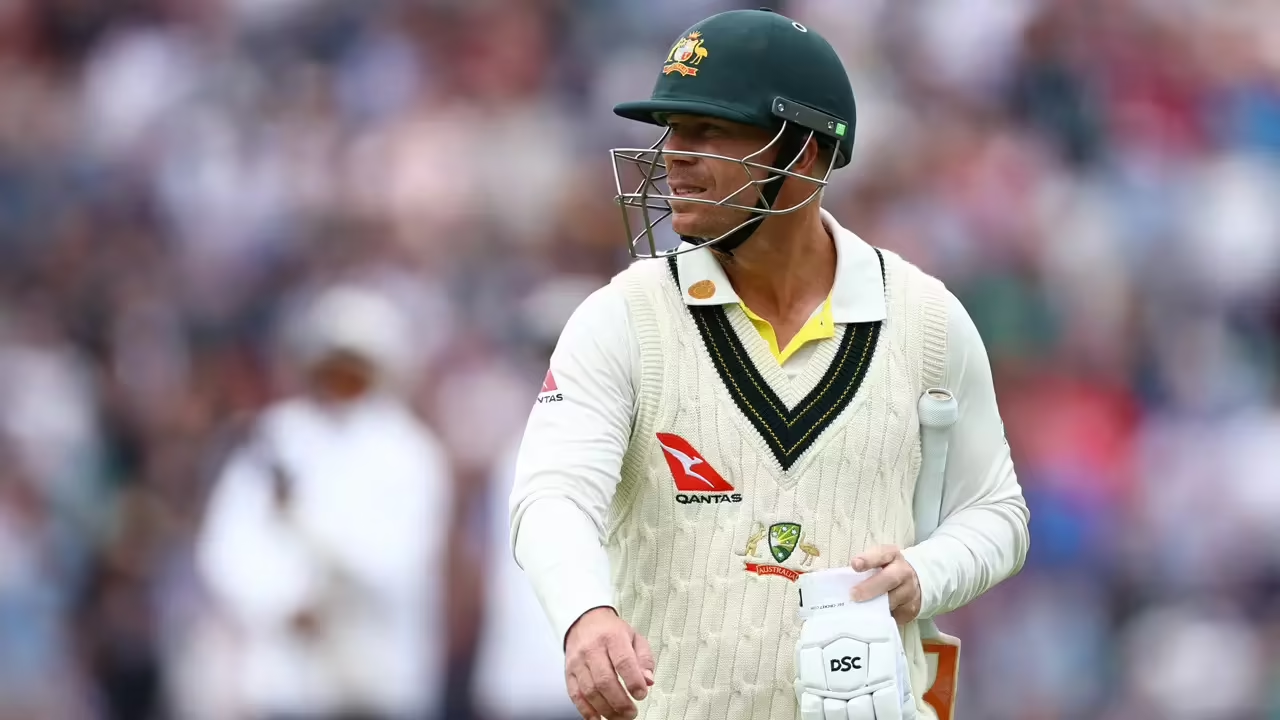
After a storied career spanning over 15 years, David Warner has officially retired from international cricket, playing his final Test in front of a sold-out crowd at the Melbourne Cricket Ground (MCG). With 35,000 fans on their feet, Warner left the field to thunderous applause, bringing down the curtain on one of the most electrifying and controversial careers in modern cricket.
The 38-year-old, known as much for his aggressive batting as his fiery personality, retires as Australia’s most prolific opener of the 21st century—and one of the game’s greatest entertainers.
- Final Chapter: MCG Bids Farewell
Warner’s final innings wasn’t a fairytale hundred—it was a gritty 41 off 59 balls, filled with vintage drives, punchy cuts, and one trademark six over long-on. But the number didn’t matter. What mattered was the emotion of the moment.
Teammates formed a guard of honor. The crowd chanted his name. And Warner, teary-eyed, raised his bat one last time as he exited the international arena.
He leaves the Test arena with:“It’s been the honor of a lifetime,” Warner said. “I gave everything for the Baggy Green. No regrets. Just gratitude.”
- 116 Tests
- 8,729 runs
- 26 centuries
- and a strike rate unmatched by most modern openers.
- The Rise of a Streetfighter
David Warner’s journey to cricket stardom is as unconventional as it is inspiring.
- He made his debut in 2009 in a T20I against South Africa without ever playing a first-class match—an unprecedented feat at the time.
- Known initially as a white-ball specialist, he defied expectations and became a Test mainstay, silencing critics with runs across continents.
- His fearless, counter-attacking approach redefined the role of an opener, especially in Tests.
- Scandal, Suspension, and Redemption
No account of Warner’s career can ignore its darkest chapter: the 2018 ball-tampering scandal in South Africa.
- Warner was identified as the instigator in the incident.
- He received a 12-month ban and a lifetime leadership ban.
- His image took a hit, and many believed his career was over.
His comeback remains one of the most remarkable redemption arcs in Australian sporting history.“I had to earn back trust. Not just from the team, but from the fans—and myself,” Warner reflected.
- More Than Just Runs: Warner the Mentor
In the final phase of his career, Warner transformed from a brash provocateur into a senior figure in the Australian dressing room.- Mentored young players like Travis Head and Cameron Green.
- Shared insights with younger openers like Marcus Harris and Will Pucovski.
- Took on informal leadership roles during overseas tours.
His cricketing IQ, especially regarding conditions and bowlers, was invaluable to the Australian setup.“People don’t see the behind-the-scenes Warner. He’s always there with advice, especially for the new boys. We’ll miss his presence.”
- A Global Phenomenon
Warner’s influence extended beyond national borders:- He remains the only player to score centuries in both innings of a Test match three times.
- In T20 leagues worldwide, from the IPL to the BBL, he became a fan favorite.
- His aggressive style inspired a new generation of fearless openers.
- What’s Next for Warner?
While Warner’s international career ends, he’s far from disappearing from cricket altogether:- He’s already confirmed to play the next season of the IPL.
- Commentary roles, brand endorsements, and possible coaching stints are on the horizon.
- Warner has hinted at launching a coaching academy focused on white-ball cricket.
- He’s already confirmed to play the next season of the IPL.
Conclusion
David Warner’s journey is a story of triumph, turbulence, and transformation. He was never the polished hero—he was the flawed genius, the risk-taker, the fighter. And it’s that humanity, that imperfection, which made him beloved by so many.
He changed how we think about opening the batting. He faced his demons and returned stronger. And he exits the game on his own terms, leaving behind not just stats, but memories that will last forever.
In the words of his longtime teammate Steve Smith:
“There’ll never be another Davey. And cricket’s better because of that.”