Introduction
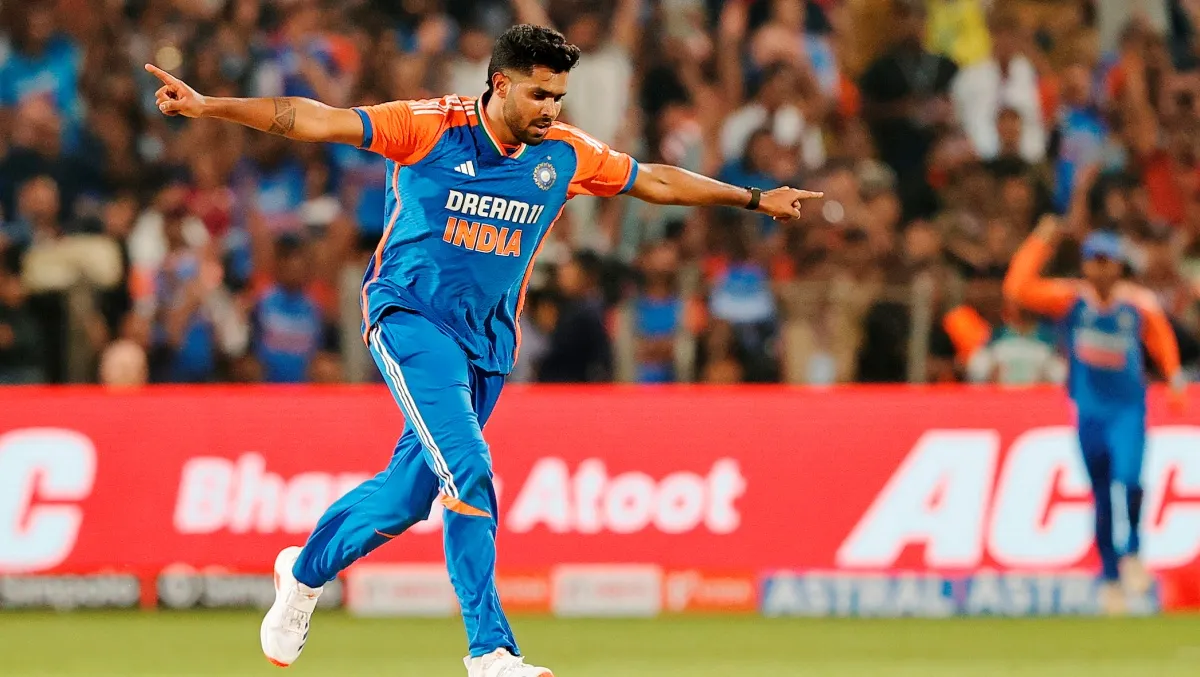
Cricket’s concussion substitute system, introduced internationally in 2019, was designed with player safety as its top priority. However, recent cases—like India’s controversial use of Harshit Rana for Shivam Dube in a T20I—have placed the rule in the spotlight. Debates around “like-for-like” replacements, match referee impartiality, and proposed reforms are stirring a vital conversation: how do we keep players safe and preserve competitive fairness?.
- Origins of the Rule: From Tragedy to Caution
The impetus for concussion replacements traces back to the tragic death of Phillip Hughes in 2014. Recognizing the unique nature of cricket-related head injuries, the ICC implemented trial protocols in domestic leagues before officially approving concussion substitutes across all international formats on August 1, 2019.
This rule allows teams to replace a concussed player, subject to approval by the match referee—provided the new player matches the original’s expected role for the rest of the match. - Rules in Detail: What Does “Like-for-Like” Truly Mean?
ICC Playing Condition 1.2.8.4 specifies that match referees must assess:.
- The role the concussed player would have completed in the remainder of the game.
- The normal role played by the nominated substitute.
- For instance, if a bowler is concussed, the substitute can bowl—but not exceed the same skill set. If they cannot, the referee enforces conditions to restrict unfair advantage.
- The Pune Debate: Harshit Rana for Shivam Dube
In January 2025’s T20I in Pune, India replaced Dube—an all-rounder—with Rana, a specialist pacer. In the chase, Rana took a key wicket, sparking uproar. Critics like Jos Buttler and Kevin Pietersen called it “not like-for-like,” accusing the system of being manipulated for advantage. On Reddit, one heated comment read (honoring user content).
“It was a terrible decision… ICC should explain the decision.”
- ICC’s Reform: Pre-Nomination & Increased Transparency
In response, the ICC issued an update effective June–July 2025 across formats: teams must submit a pre-nominated list of five concussion substitutes before each match—including specialists for batting, bowling, wicketkeeping, and all-rounder roles. - Global Pushback: Balance or Bureaucracy?
Player bodies like the South African Cricketers’ Association (SACA) argue for equitable policy in domestic cricket, including first-class matches—emphasizing scientific grounding in guidelines - Lessons & Future Directions
- Match referee neutrality: Should bilateral matches require neutral officials to guard fairness?
Transparency: Open declarations of substitute roles before games can build trust.
Policy communication: Clear rulebooks with real-case explanations will aid coaches, captains, and fans during controversies.
- Match referee neutrality: Should bilateral matches require neutral officials to guard fairness?
Conclusion
Concussion substitutes are a vital safeguard—but becoming contentious in the wrong hands. As cricket evolves, so must its protocols: evolving from reactive replacements toward systemic neutrality, transparency, and fairness.
The ICC’s 2025 reforms are progress—but will only be effective with consistent application and clear, pre-emptive frameworks. Cricket must ensure that player safety and competitive integrity walk together—not on opposite ends of the pitch.